That Gutter Guy Trades & home services 2026
Getting a Hunter Valley trades business found in every town it serves
A gutter, solar and roofing business was invisible outside its home town. We rebuilt the site around the places it actually works — and made it look like the most professional operator in the valley.
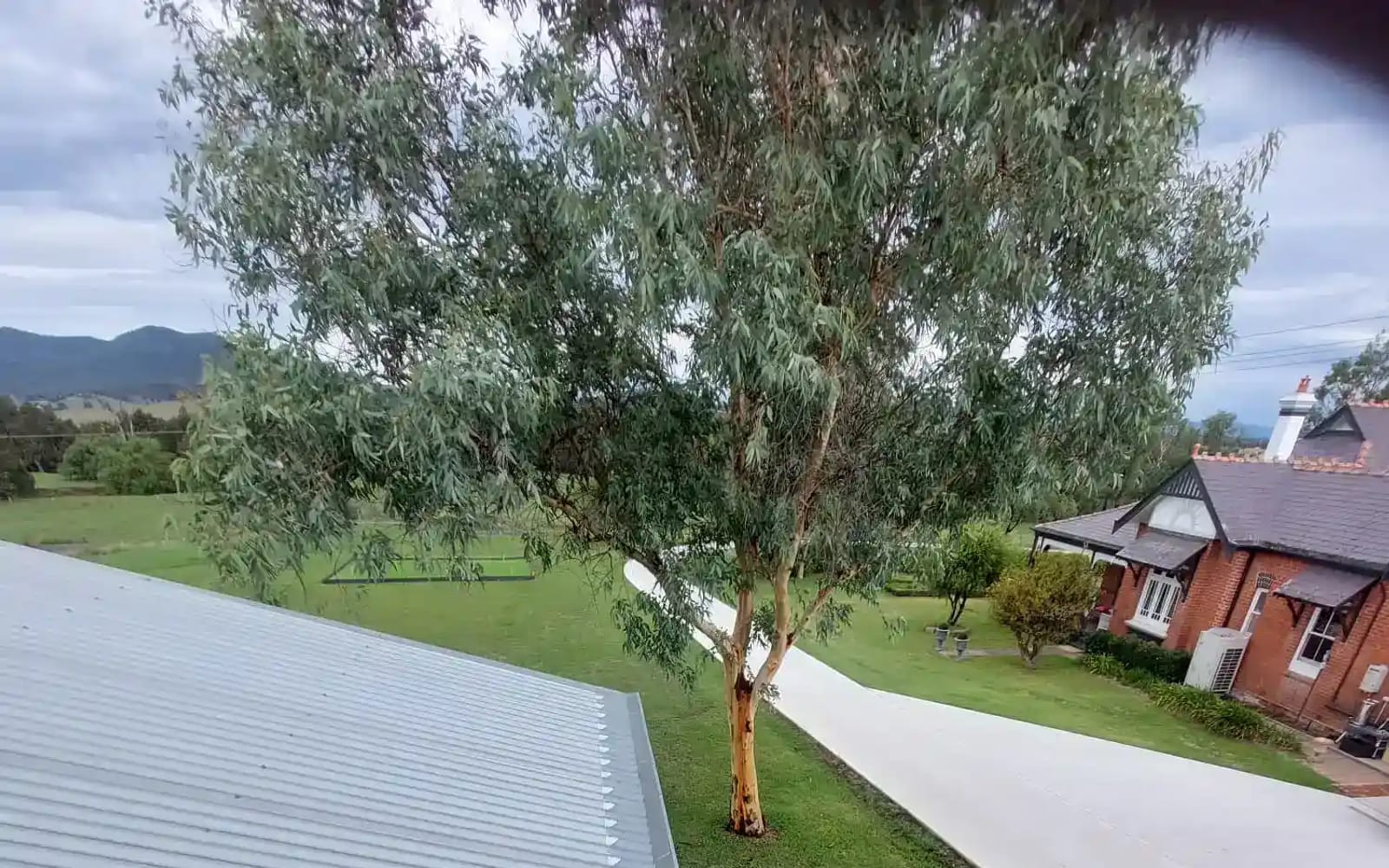
Results
- one per trade, plus every town served
- 10 pages one per trade, plus every town served thatgutterguy.com.au
- to load — fast enough that nobody leaves waiting
- 0.33s to load — fast enough that nobody leaves waiting Measured Aug 2026
- each with its own page and its own customer
- 3 trades each with its own page and its own customer Gutters, solar and roofing — thatgutterguy.com.au
The problem
When someone's gutters overflow, they reach for their phone and search for their own town. Not "gutter cleaning" — "gutter cleaning Cessnock". Then they call whoever looks most trustworthy in the first few results. That Gutter Guy worked across dozens of towns in the Hunter Valley but the old site never said so, which meant it only ever showed up for people who already knew the name. It also looked like a site built by a friend as a favour, which quietly costs you every job where the customer is choosing between two quotes.
Our approach
We started from how the work is actually sold. Three separate trades — gutters, solar and roofing — bought by different people for different reasons, across a service area covering everything from Cessnock to Nelson Bay. That is not one page about a business, it is a structure. So we gave each trade its own page, named every town served, and designed the whole thing to feel like the most established operator in the region rather than the cheapest.
What we built
Ten pages, one for each trade and one dedicated to the service area, all built to load instantly on a phone with one bar of signal on a job site. The design is deliberately black and white — no logo colours, no gradients — so the photography of real jobs carries everything. Customers can drag a slider across a before and after shot of an actual gutter. Google reviews appear on the home page and never go stale. And getting a quote takes one short form.
Nobody searches for “gutter services”
They search for a job and a place. “Gutter cleaning Cessnock.” “Roof repairs Maitland.” “Solar panel cleaning Newcastle.”
The old site talked about the business. It never mentioned the twenty-odd towns the business actually drives to. So when someone in Singleton searched, the site had given Google no reason to think it was relevant to Singleton.
The fix is unglamorous and it works: say where you work, specifically, in a place both people and search engines can read. There is now a page dedicated to the service area, listing the core towns and the ones covered by arrangement, and the business’s underlying listing data names each one. The distinction between “we’re based here” and “we come to you here” is drawn clearly, because customers ask that question before they call.
Three trades also became three pages. Someone who needs a roof repair and someone who needs solar panels cleaned are different customers with different budgets and different worries. One page trying to speak to both persuades neither.
Looking like the safe choice
This is the part people underestimate. When a homeowner is choosing between two quotes, the website is often the only evidence they have about which business is more careful.
So the design does one job: make the work look like the work of someone who takes it seriously.
No colour. The site is entirely black and white. That sounds like an odd choice for a trades business until you see it — every photograph of a cleared gutter or a restored roof becomes the only thing on the page with any visual weight. Colour would compete with the evidence.
Real photography, no stock. Every image is a job the owner actually did. Stock photography of a smiling man with a ladder is instantly recognisable and it signals the opposite of what you want.
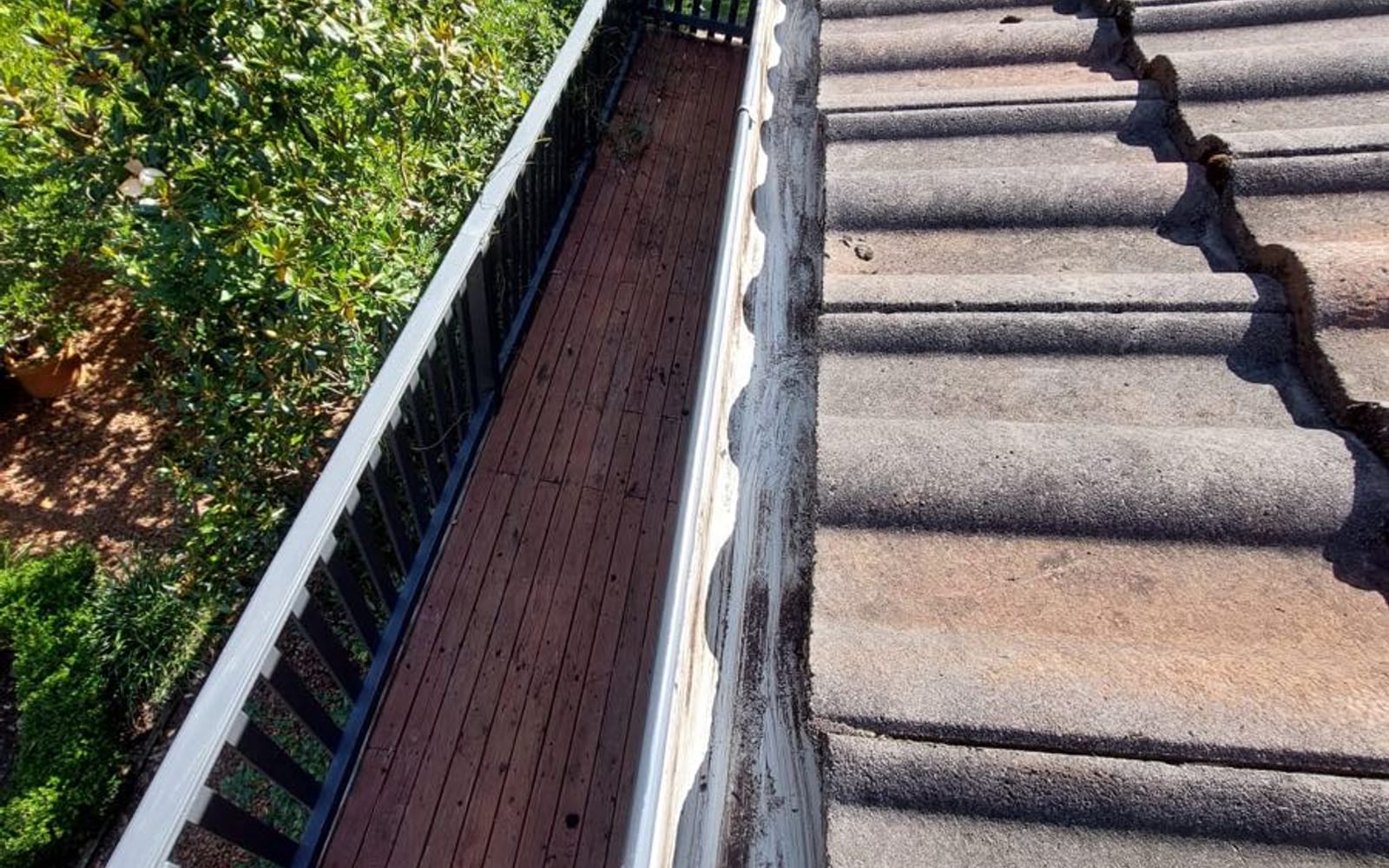
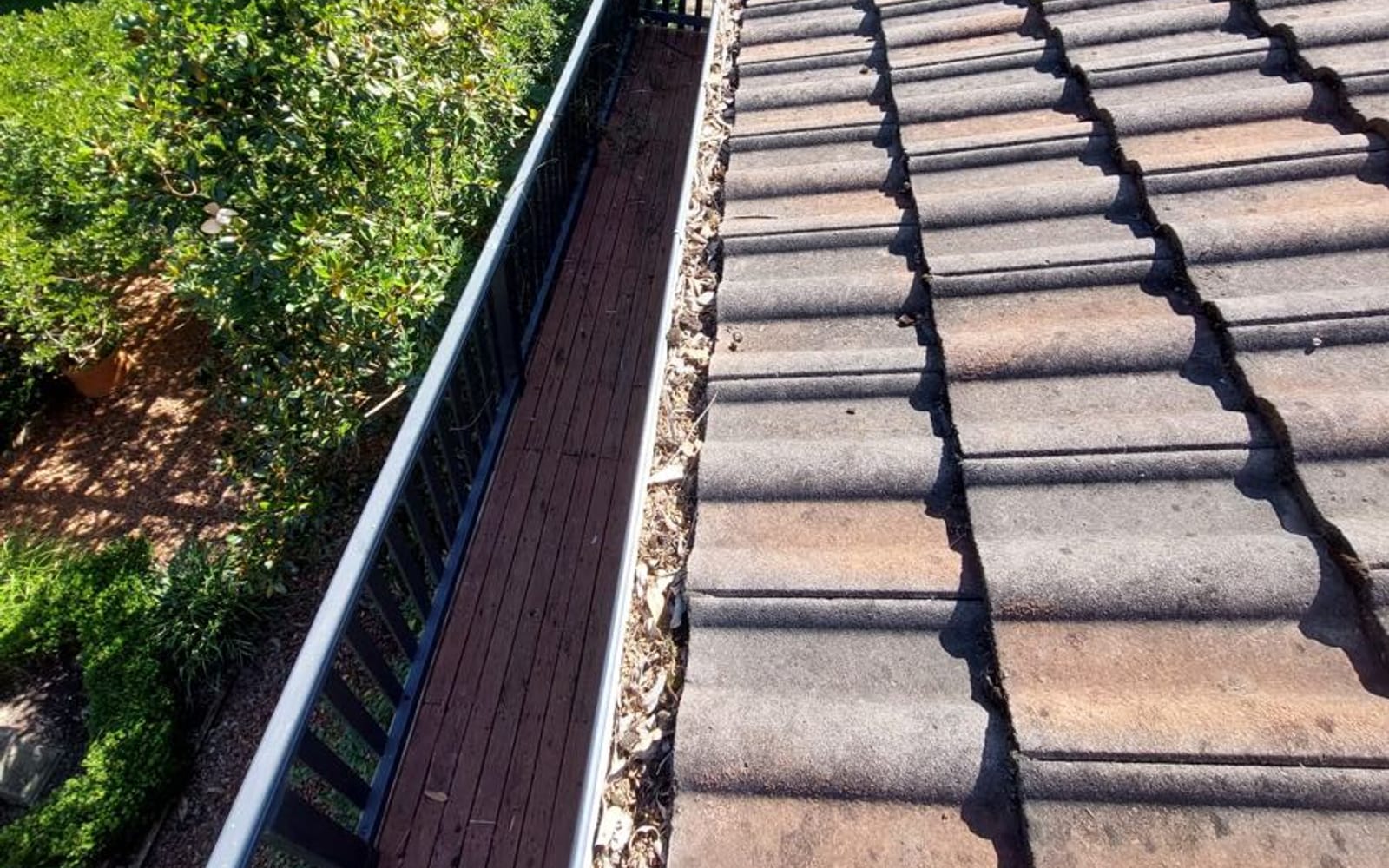
Before and after, side by side. The gallery lets a customer drag a slider across a genuine gutter — packed with gum leaves on one side, clear on the other. It is the single most persuasive element on the site, because it is the thing the customer is buying.
Dark mode. Roughly half of visitors will land on this site in the evening, on a phone, in bed. The site matches whatever their phone is already set to, instantly, with no flicker.
Reviews that don’t quietly rot
Real Google reviews appear on the home page — but only the ones where the customer actually wrote something. A wall of five-star ratings with no words reads as filler; three specific reviews describing a real job are worth far more.
They are also dated relatively — “3 weeks ago” — and that label recalculates every time someone opens the page. Most small business sites end up displaying testimonials from 2019, which does more harm than showing none at all.
Under the hood
For anyone technical who is curious. Skip this if you’re not.
The site is generated by a small custom build tool rather than a page builder or a CMS. Page copy lives in one file per page; the header, footer and navigation exist in exactly one place, so a phone number change is a one-line edit rather than ten. The generator runs on our machine and the finished HTML is committed, so the host serves plain files with no build step that can fail at deploy time.
Total JavaScript on the live site is 13.8 KB — roughly one-fifteenth of what a typical page builder ships. There are no runtime dependencies, so there is nothing to patch, and nothing that can break the site in two years when a package updates. Every image declares its dimensions, so the page never jumps while it loads. Local business structured data declares the trade and each serviced town in a format search engines and AI assistants read directly.
What we would do differently: the build regenerates all ten pages on every change. At this size that is instant and fine. Past about forty pages we would have used an established tool instead of growing our own — and knowing where that line sits is part of choosing to cross it.
Related work
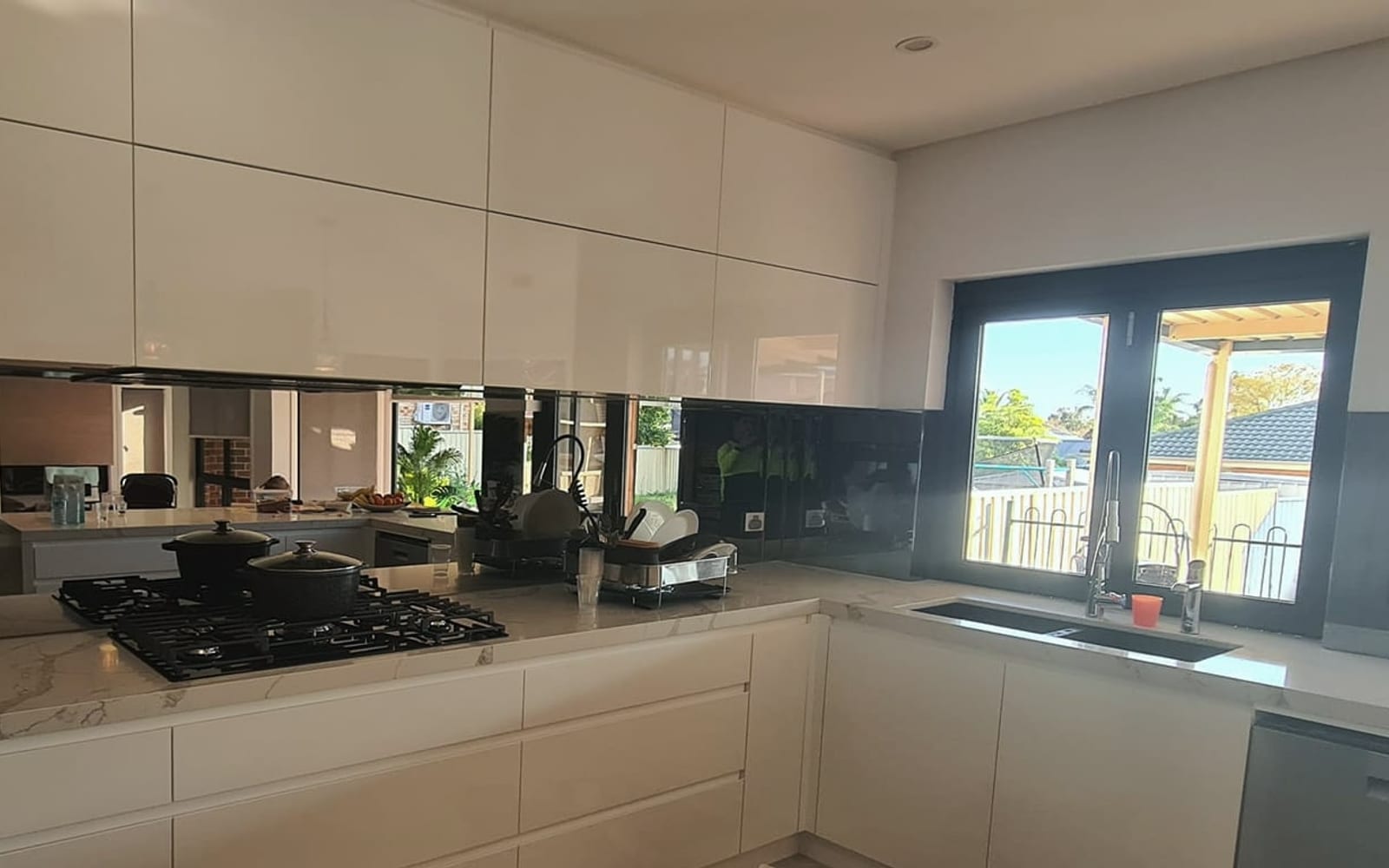
 Glazing & construction
 Framedless Glass · 2026
Turning one glass company into eight reasons to call
A Sydney glazier was hiding eight distinct services inside a single page. We gave each one its own page, its own photography and its own argument — and built the site around the thing customers actually buy on: how it looks.
8 pages one per service, each findable on its own
Read the case study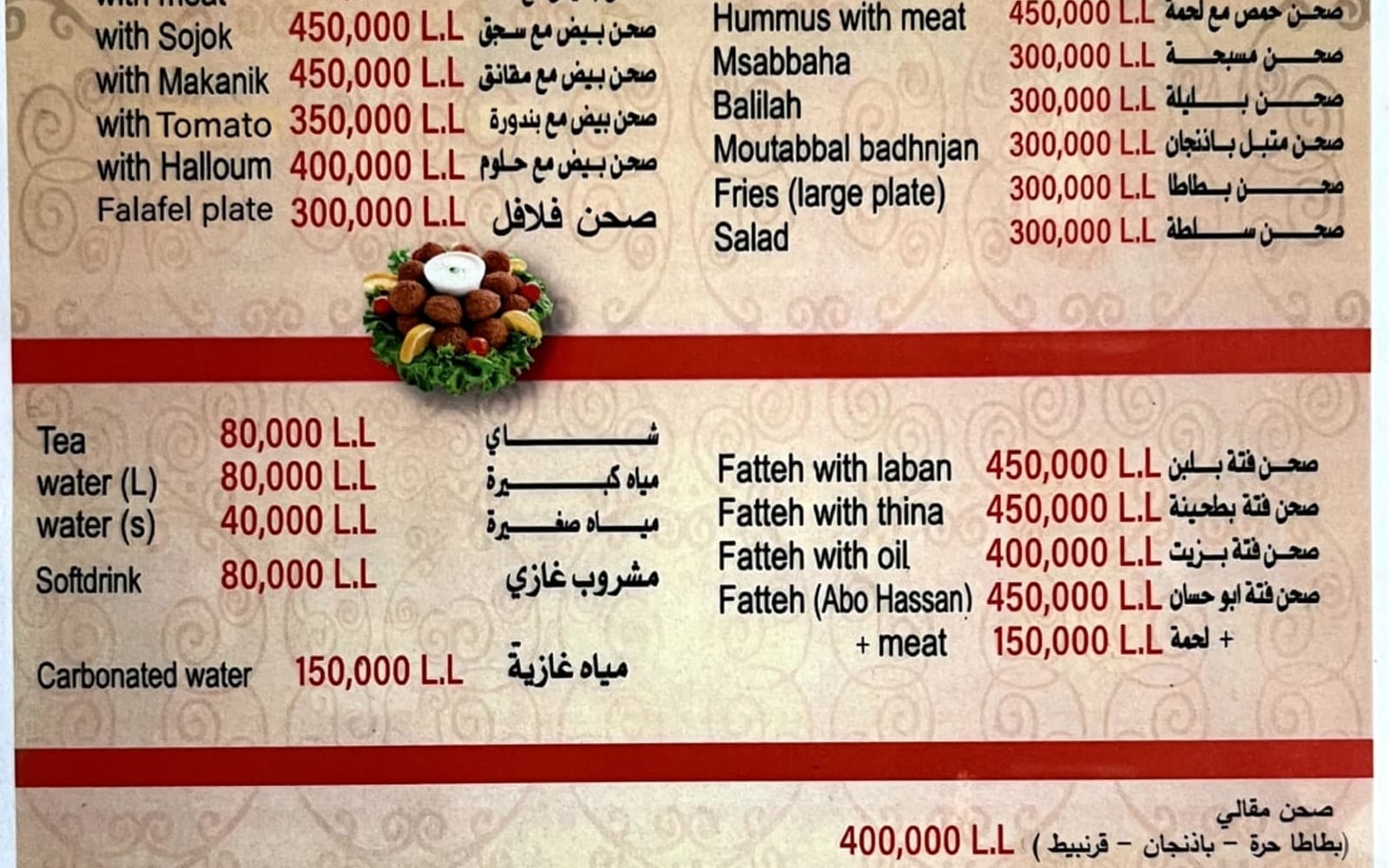
 Hospitality
 Abou Hassan · 2024
A restaurant page that answers the only three questions that matter
Where are you, when are you open, and what do you serve — answered in one scroll, with the food doing all the talking.
1 scroll from landing to menu, address and hours
Read the case studyHave a problem shaped like this one?
Thirty minutes is usually enough for us to tell you whether we can help.